Water Extraction & Removal in Corona, NY
Every hour water sits, more of it soaks into subfloor, drywall and plaster. The extraction crew pulls standing water out first, so the drying that follows has less to fight.
(888) 527-9860Get Corona water extraction started- Truck-mounted extraction
- Moisture mapping first
- IICRC S500 drying goal
What to do the moment you find standing water
- 1Stop the source
Close the fixture valve or the main shutoff, usually where the service line enters the cellar.
- 2Cut wet circuits
Turn off breakers for wet rooms, only if the panel is dry and safe to reach.
- 3Photograph it
Take photos and video of every wet room before anything moves.
- 4Lift what matters
Get rugs, boxes, cords and electronics up off the floor, then call.
Extraction is the first move on almost every water loss in Corona. A portable wet vac holds a few gallons; a truck-mounted extractor pulls far more water per minute and sends it out of the building through a hose, which matters in a cellar with one narrow stair.
How water extraction is handled in Corona
- Map the moisture
The tech who does the walkthrough uses thermal imaging and pinless meters to find how far the water traveled.
- Extract the standing water
The extraction crew runs truck-mounted extraction with hoses through the door or cellar window, so the water leaves the building.
- Pull water from carpet and pad
Weighted extraction tools press water out of carpet; pad that soaked through is usually lifted and removed.
- Hand off to drying
Once the floor is clear, air movers and LGR dehumidifiers go in and readings start.
What does water extraction & removal cost in Corona, NY?
In Corona, NY, water extraction typically runs $400 to $3,500, depending on how much standing water there is, how many rooms it reached and whether carpet and pad need to be pulled. Drying is priced separately and depends on the materials.
One room, clean water
$400 to $1,100
Truck-mounted extraction, Carpet water removal, Initial readings
Cellar or several rooms
$1,100 to $2,400
Hoses through the cellar door, Pad removal, Moisture map
Deep water or Category 3
$2,400 to $3,500+
Protective gear, Containment, Debris out-haul
Drivers: the water category, the square footage, the material class and how fast drying started. For a planning range, try the water damage cost calculator.
Why extraction comes before drying
Air movers and dehumidifiers dry materials by evaporation. Evaporating standing water takes days; pulling it out takes hours. Every gallon the extraction crew removes is a gallon the drying team does not have to evaporate, which shortens the whole job and keeps the humidity down in rooms that were never wet.
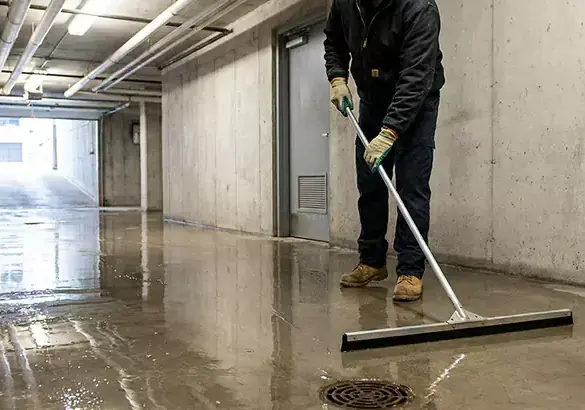
- Standing water on concrete comes up with extraction wands and squeegees toward the floor drain.
- Carpet gets weighted extraction passes until no more water comes up.
- Pad that soaked through usually comes out, because it holds water like a sponge.
What changes when the water is dirty
Clean water from a supply line is Category 1. Water from a washer or water that sat for a day or two becomes Category 2. Water that came up through a floor drain or in from the street is Category 3, and porous materials it touched are removed, not dried. See sewer backup cleanup and storm water cleanup for how those losses are handled.
Extraction in Corona buildings
Attached rowhouses, two-family homes and walk-ups share one thing: the water usually ends up in the cellar. The extraction crew often works from the bottom up, clearing the cellar first so upstairs water has somewhere to go, then moving to the floors above. After extraction, structural drying takes over.
For flood safety basics, Ready.gov flood guidance and OSHA flood cleanup hazards cover electrical and cleanup risks.
How water extraction is held to a standard
What separates a finished dry-out from a cosmetic one is the order of the work.
Rapid local response
The Corona restoration crew works around the clock, so a Saturday night cloudburst gets the same start as a Tuesday morning leak.
IICRC S500 drying standard
IICRC S500 is the industry drying standard. Equipment stays until the readings say dry, not until the floor looks dry.
Claim-ready documentation
Moisture maps, daily readings and timestamped photos taken before any demolition go into the claim file.
Queens water experts
Cellars, basement units, floor drains, steam heat and prewar pipes are everyday work for local water damage experts.
Related water damage services in Corona
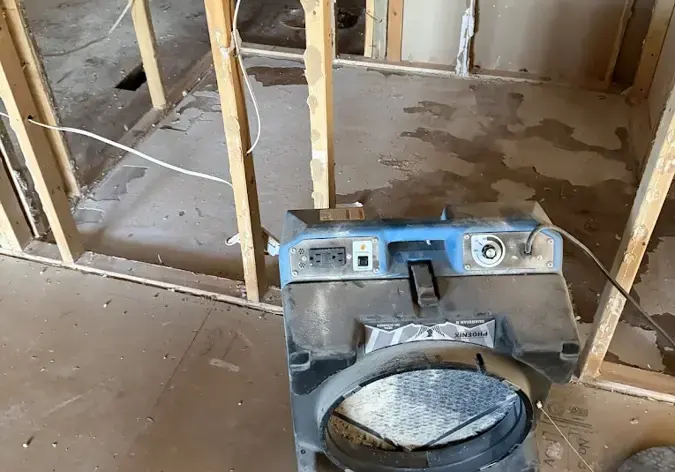 Structural Drying & DehumidificationView service
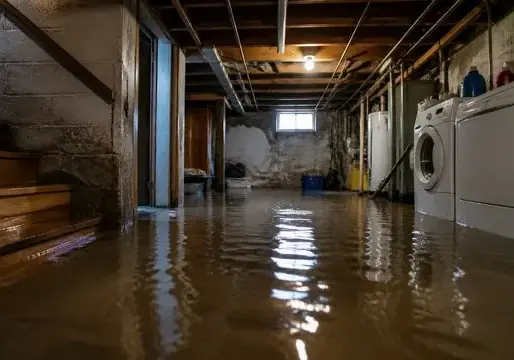 Basement Flooding CleanupView service
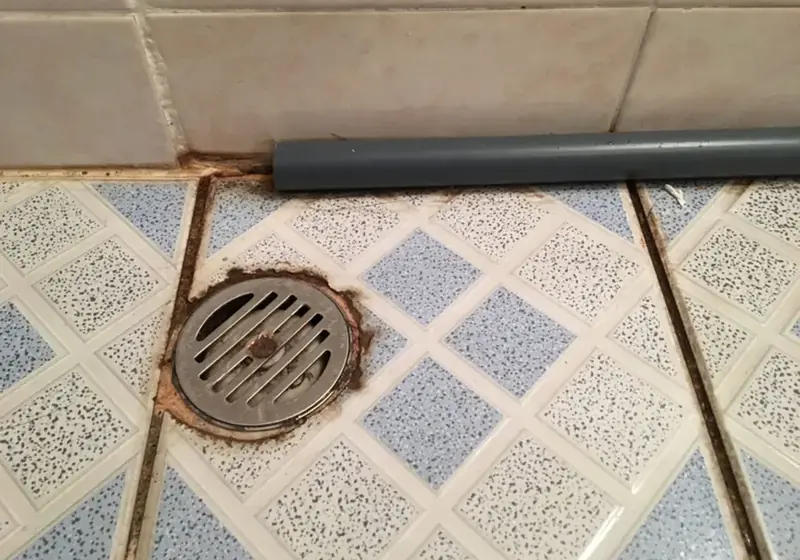 Sewer Backup & Sewage CleanupView service
Service area: Corona, Queens
The Corona restoration crew covers Corona, North Corona, Corona Heights, Lefrak City and the blocks around Corona Plaza, with East Elmhurst, Elmhurst, Jackson Heights, Rego Park and Flushing close by.
Every neighborhood and ZIP coveredWater extraction questions, answered
How much water can a truck-mounted extractor remove?
Far more than a shop vac. It pulls water continuously through long hoses and sends it outside, so a flooded cellar can be cleared in hours instead of days.
Can the carpet be saved after extraction?
Often, if the water was clean and drying started quickly. Pad usually comes out. Carpet touched by sewage or street water is removed.
Should I use a wet vac before help comes?
A wet vac on a small clean spill is fine if there is no electrical risk. Do not stand in water near outlets or appliances, and do not vacuum sewage.
Does extraction dry the floor?
No. Extraction removes the standing water. Drying the subfloor, walls and framing is a separate step with air movers, dehumidifiers and daily readings.
Why does the crew check other rooms?
Water travels under walls and along framing. Moisture mapping finds wet materials in rooms that look dry, so the drying plan matches what is actually wet.
What happens to the water that is pulled out?
It is pumped out of the building through the extraction hose. Contaminated water is handled under Category 3 protocol.
Standing water in a Corona home? Call now.
Truck-mounted extraction, then structural drying to the IICRC S500 standard, documented for the claim.