Frozen Pipe Cleanup in Corona, NY
A frozen pipe often does not leak until it thaws. When the temperature climbs after a January cold snap, the split opens and water runs inside the wall.
(888) 527-9860Start the Corona dry-out now- Exterior wall drying
- Thermal imaging
- Daily moisture readings
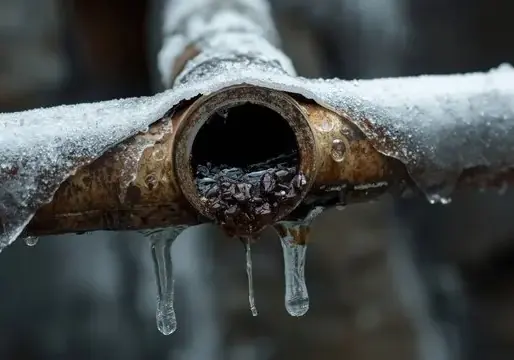
What to do the moment you find a frozen pipe that split
- 1Shut the main
Close the main valve in the cellar before the thaw finishes opening the split.
- 2Do not use an open flame
Never thaw a pipe with a torch; a hair dryer or warm air is safer.
- 3Check the other lines
Pipes in the same exterior wall or unheated space may be frozen too.
- 4Photograph and call
Photograph the pipe and any wet walls or ceilings, then call.
Corona houses were built before modern insulation standards, and pipes often run in exterior walls, enclosed front porches and unheated vestibules. A cold wind off Flushing Bay during a January cold snap is enough to freeze them.
How frozen pipe cleanup is handled in Corona
- Find every wet cavity
The tech who does the walkthrough scans exterior walls with thermal imaging to find the wet sections.
- Extract
The extraction crew removes standing water from floors and the cellar below.
- Open the cold wall
Baseboard and small sections of the exterior wall are opened so air can reach the cavity.
- Dry in cold weather
Dehumidifiers and heat are balanced so the wall dries even while it is freezing outside.
What does frozen pipe cleanup cost in Corona, NY?
In Corona, NY, frozen pipe cleanup typically runs $1,200 to $7,000. The drivers are how long the split ran after thawing, how many floors the water reached and whether plaster or finished walls had to be opened.
One wall, caught fast
$1,200 to $2,600
Extraction, Cavity opened, Drying equipment
Wall plus ceiling below
$2,600 to $5,000
Ceiling opening, Two floors dried, Daily readings
Vestibule or porch loss
$5,000 to $7,000+
Flooring removal, Several rooms, Full claim file
Drivers: the water category, the square footage, the material class and how fast drying started. For a planning range, try the water damage cost calculator.
Where pipes freeze in Corona houses
- Supply lines in the front and side exterior walls of rowhouses.
- Enclosed porches and vestibules added after the house was built, often with little insulation.
- Kitchen sink lines against an outside wall, behind cabinets.
- Hose bibs and cellar lines near a drafty window or door.
Why the damage shows up late
Ice inside a pipe can hold back the water until it melts. The split then opens during the thaw, often while no one is home. By the time water shows on the ceiling or the cellar floor, the wall cavity can be soaked. The National Weather Service cold safety page has tips for protecting pipes before a freeze.
Drying a wall in winter
Cold air holds little moisture, which sounds helpful but slows evaporation from cold materials. The drying team balances heat, air movers and LGR dehumidifiers so the framing warms up and gives up its water. Readings continue daily until the wall matches a dry reference. For general pipe bursts, see burst pipe cleanup; for the drying standard, see structural drying.
How frozen pipe cleanup is held to a standard
What separates a finished dry-out from a cosmetic one is the order of the work.
Rapid local response
The Corona restoration crew works around the clock, so a Saturday night cloudburst gets the same start as a Tuesday morning leak.
IICRC S500 drying standard
IICRC S500 is the industry drying standard. Equipment stays until the readings say dry, not until the floor looks dry.
Claim-ready documentation
Moisture maps, daily readings and timestamped photos taken before any demolition go into the claim file.
Queens water experts
Cellars, basement units, floor drains, steam heat and prewar pipes are everyday work for local water damage experts.
Related water damage services in Corona
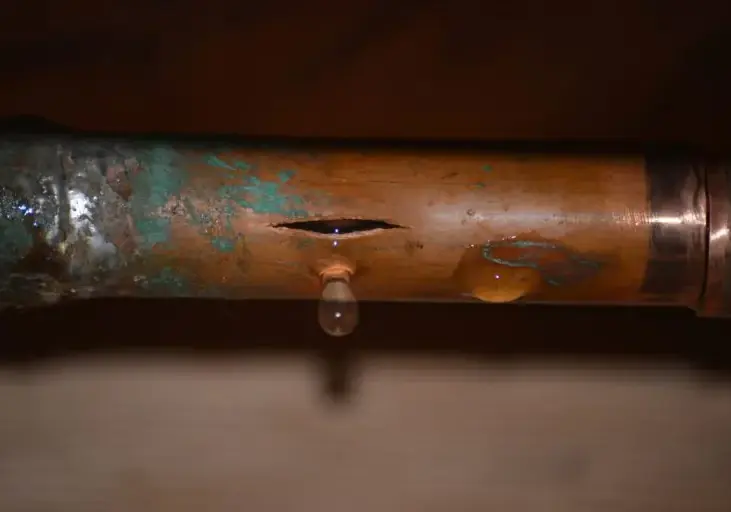 Burst Pipe CleanupView service
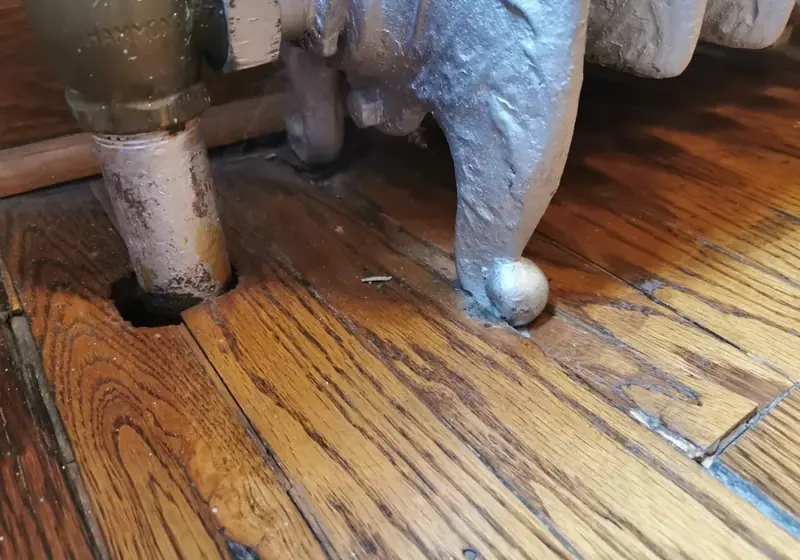 Steam Radiator & Boiler Leak CleanupView service
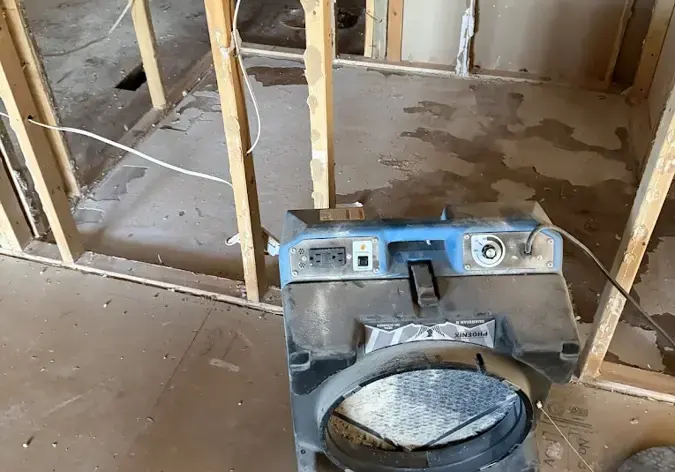 Structural Drying & DehumidificationView service
Service area: Corona, Queens
The Corona restoration crew covers Corona, North Corona, Corona Heights, Lefrak City and the blocks around Corona Plaza, with East Elmhurst, Elmhurst, Jackson Heights, Rego Park and Flushing close by.
Every neighborhood and ZIP coveredFrozen pipe cleanup questions, answered
How do I know if a pipe is frozen?
A faucet that gives only a trickle during a cold snap, frost on an exposed pipe or a bulge in the line are common signs.
Should I keep faucets dripping in a cold snap?
A slow drip on faucets fed by exterior-wall pipes keeps water moving and can help prevent a freeze.
Is frozen pipe damage covered by insurance?
Often, if the home was heated and the break was sudden. Coverage depends on your policy, so it is worth checking with your own insurer.
Why did the leak start after it warmed up?
Ice can plug the split. When it melts, water flows through the crack at full pressure.
Does the whole wall have to come out?
Usually not. Thermal imaging and meters show the wet sections, and targeted openings let the cavity dry.
How long does drying take in winter?
A contained loss often dries in three to six days with heat and dehumidification. Plaster and multiple floors take longer.
Frozen pipe split in Corona? Call now.
Extraction and cold-weather wall drying with daily readings, documented for the claim.