Sewer Backup & Sewage Cleanup in Corona, NY
When a cloudburst fills the combined sewers, the lowest drain in the house becomes the way out. A sewer backup is Category 3 the moment it happens, and it is handled that way from the first step.
(888) 527-9860Call for sewage backup cleanup in Corona- Category 3 protocol
- Containment and HEPA
- EPA-registered antimicrobial
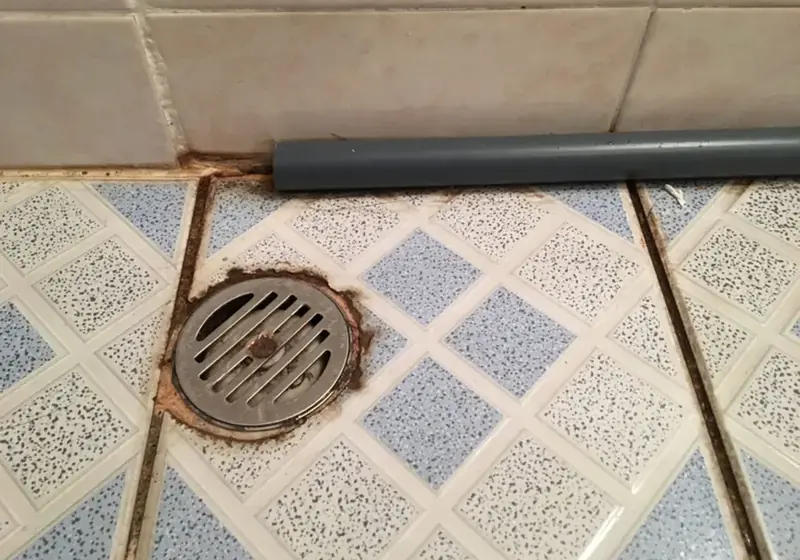
What to do the moment you find a sewer backup
- 1Keep people and pets away
Sewage carries bacteria and viruses. Children, older adults and anyone sick should stay out.
- 2Stop using water
Do not flush, shower or run the washer. Water sent down any drain can come back up the lowest one.
- 3Do not mop it
Skip the mop and the bleach. Disturbing sewage spreads it.
- 4Open a window, then call
If a window can be opened from outside the room, open it. Then call.
Like much of New York City, Corona is served by combined sewers: storm runoff and household sewage share the same pipes. In a heavy downpour those pipes fill, and the pressure pushes sewage back up through the lowest opening it can find, usually a cellar floor drain, a basement toilet or a laundry sink.
How sewer backup cleanup is handled in Corona
- Contain the area
The mitigation team seals the work zone with plastic and runs HEPA air scrubbers.
- Remove water and solids
The extraction crew pulls sewage out in full protective gear.
- Remove porous materials
Carpet, pad, drywall, insulation and cardboard touched by sewage are cut out and bagged.
- Clean, treat and dry
Surfaces are cleaned, treated with an EPA-registered antimicrobial at its dwell time, then dried and verified.
What does sewer backup & sewage cleanup cost in Corona, NY?
In Corona, NY, sewer backup cleanup typically runs $2,500 to $12,000, because Category 3 water requires containment, removal of porous materials, antimicrobial treatment and drying. The drivers are square footage, how high the water reached and what finishes were in the room.
Floor drain, small area
$2,500 to $4,500
Containment and extraction, Antimicrobial treatment, Drying and readings
Whole cellar
$4,500 to $8,000
Porous materials removed, HEPA air scrubbers, Structural drying
Finished basement or unit
$8,000 to $12,000+
Flooring and drywall out, Contents handling, Full claim file
Drivers: the water category, the square footage, the material class and how fast drying started. For a planning range, try the water damage cost calculator.
Why sewage is handled differently
Sewage is Category 3 water, grossly contaminated from the start. Porous materials it touched cannot be made safe by drying, so carpet, pad, drywall, insulation and upholstered furniture come out. Hard surfaces are cleaned and treated with an EPA-registered antimicrobial, applied at the dwell time on its label, before any drying equipment runs.
- Containment keeps sewage residue out of the rest of the house.
- HEPA air scrubbers clean the air while the work goes on.
- The crew wears protective suits, gloves, boots and respirators.
Backwater valves and the next storm
A backwater valve on the house sewer lets water flow out and closes when the city sewer pushes back. Many older Corona houses do not have one. A plumber can say whether the connection suits a valve; the NYC Department of Environmental Protection publishes guidance on protecting a home from sewer backups.
Sewage in a lived-in basement
When the backup reaches a finished unit, flooring, walls and belongings are part of the job. See basement apartment water damage. Storm water that came in through the stairwell is also treated as Category 3; see flash flood cleanup. The OSHA flood hazards page lists the health risks of contaminated water.
How sewer backup cleanup is held to a standard
What separates a finished dry-out from a cosmetic one is the order of the work.
Rapid local response
The Corona restoration crew works around the clock, so a Saturday night cloudburst gets the same start as a Tuesday morning leak.
IICRC S500 drying standard
IICRC S500 is the industry drying standard. Equipment stays until the readings say dry, not until the floor looks dry.
Claim-ready documentation
Moisture maps, daily readings and timestamped photos taken before any demolition go into the claim file.
Queens water experts
Cellars, basement units, floor drains, steam heat and prewar pipes are everyday work for local water damage experts.
Related water damage services in Corona
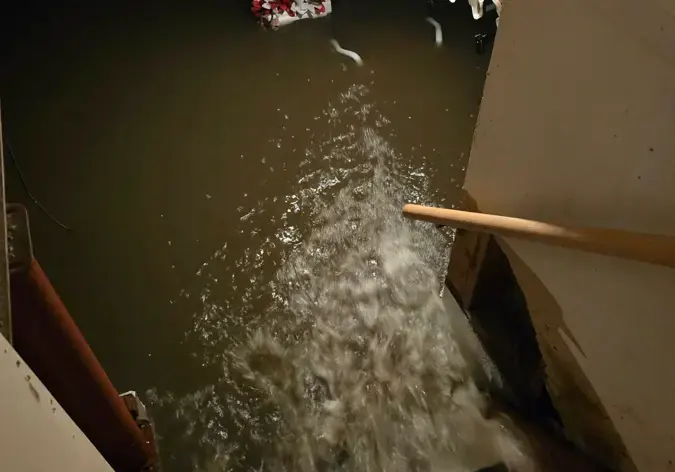 Flash Flood & Storm Water CleanupView service
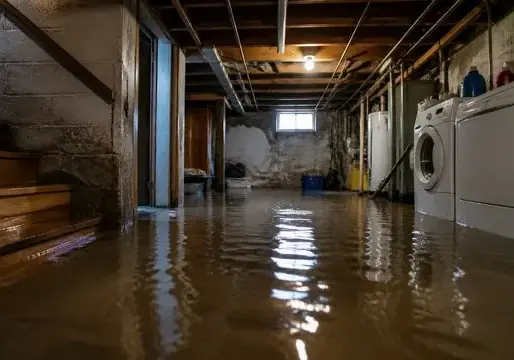 Basement Flooding CleanupView service
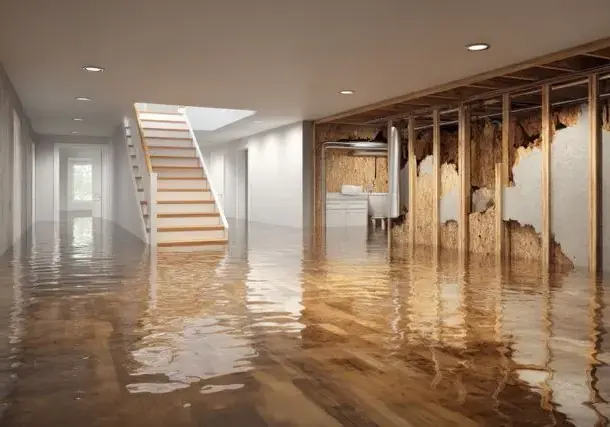 Basement Apartment Water DamageView service
Service area: Corona, Queens
The Corona restoration crew covers Corona, North Corona, Corona Heights, Lefrak City and the blocks around Corona Plaza, with East Elmhurst, Elmhurst, Jackson Heights, Rego Park and Flushing close by.
Every neighborhood and ZIP coveredSewer backup cleanup questions, answered
Is sewer backup covered by insurance?
Many homeowners policies exclude it unless a sewer backup or water backup rider was added. Coverage depends on your policy, so it is worth checking with your own insurer.
Can I clean a small sewer backup myself?
A very small, contained spill on a hard floor might be, with protective gear. Anything that reached carpet, drywall or a large area is Category 3 work.
Why does the drywall have to come out?
Drywall and insulation absorb contaminated water and cannot be reliably disinfected. They are cut out above the wet line.
What is a backwater valve?
A one-way valve on the house sewer line that closes when the city sewer backs up. It is one of the main defenses against floor-drain backups.
Why did sewage come up when it was only raining?
Corona's combined sewers carry rainwater and sewage together. In a cloudburst they fill, and the overflow can push back into cellars.
How long before the area is usable again?
Removal and treatment usually take a day or two, then drying runs until the readings say dry. Rebuilding is a separate phase.
Sewer backup in a Corona cellar? Call now.
Containment, removal, EPA-registered antimicrobial and drying, documented for the claim.